Built by someone who runs his own hours on it.
Daybill is made by Hernán Pirela, a working field operator. The timesheets, the payroll totals, the client invoices you see in the product are the same ones he runs on his own work every week. It was not designed in a conference room; it was built to fix a real day.
Why Daybill exists
Field work has a paperwork problem that office software never quite fixes. Hours get scribbled on paper in a truck. Payroll gets rebuilt from a spreadsheet at the end of the week. Then the client invoice gets typed a third time from the same numbers, and somewhere in there a total gets fat-fingered or a period gets billed twice.
The tools that promised to solve it either cost more than a small crew can justify, or they stopped at timesheets and left the billing somewhere else. So the hours, the pay, and the invoice never agreed, and reconciling them was the job nobody wanted.
Daybill is the answer to that specific frustration: one approved timesheet drives the payroll total and the client invoice from the same record, with the margin on every job visible. One flat plan instead of stacked per-user hubs. A free tier for the solo operator who is doing all of it alone.
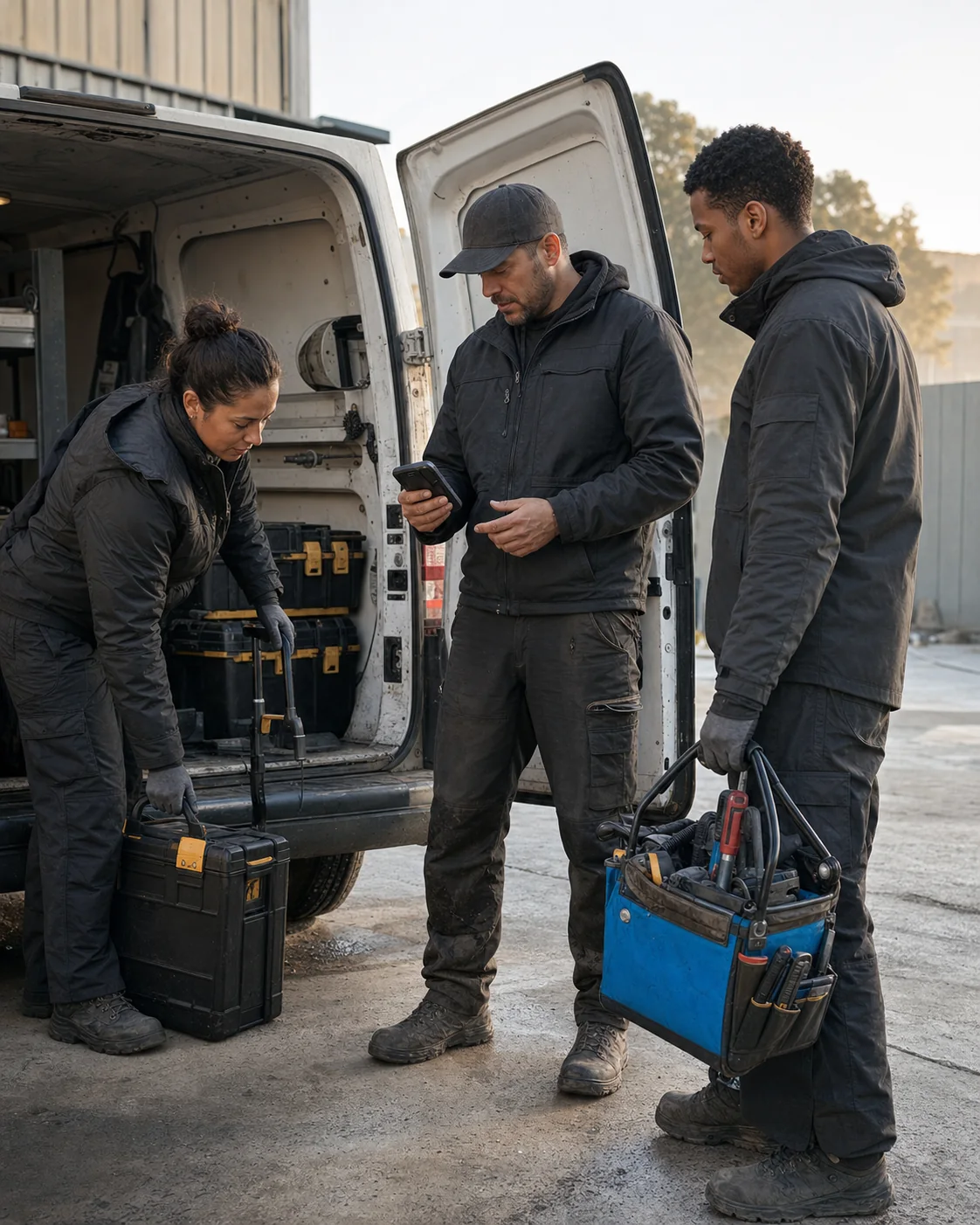
Built in the open, for operators first
Daybill is an independent product, not a venture rollup. That shapes what it is: features ship because a real operator needed them, pricing stays flat because stacked per-seat billing is exactly the thing it was built to escape, and the free Solo Operator plan exists because that is who Daybill was first built for.
It is honest about what it is not, too. Where a competitor is genuinely stronger, the comparison pages say so. The product tracks internal payroll and client billing; it is not a payroll provider and it does not move money. What it promises, it ships.
No credit card. Free plan stays free.
See it live